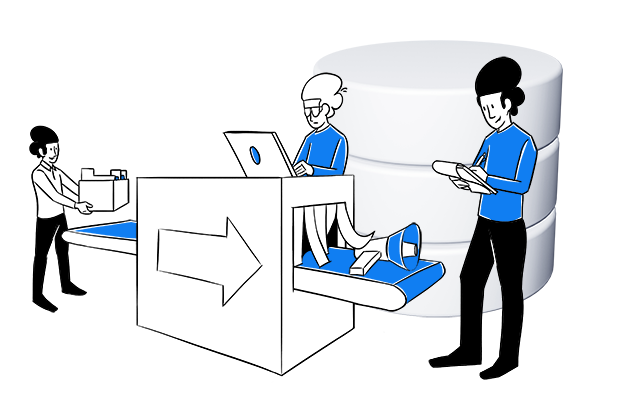
Predictive analytics is a type of advanced analytics that employs statistical techniques and machine learning to analyze historical and current data and forecast future events, behaviors, and outcomes. This approach allows organizations to make informed decisions by identifying patterns and trends within their data.
Key components of predictive analytics include:
- Data sources: Predictive analytics utilizes historical and real-time data from various sources, including transactional data, customer interactions, and operational metrics.
- Statistical techniques: It incorporates regression analysis, classification, clustering, and time series analysis to uncover relationships within the data.
- Machine learning: Advanced algorithms learn from new data inputs to improve the accuracy of predictions over time.
Predictive analytics is applicable across numerous industries and can be used for various purposes, including:
- Predicting customer behavior: Organizations can anticipate customer needs and preferences, enhancing marketing strategies and customer satisfaction.
- Risk management: Businesses can identify potential risks, such as credit defaults or fraud, allowing them to take preventive measures.
- Improving operational efficiency: Companies can forecast equipment failures or maintenance needs, optimizing resource allocation and reducing downtime.
- Sales forecasting: By analyzing past sales data, organizations can better predict future sales trends and adjust their strategies accordingly.
Benefits of predictive analytics include:
- Informed decision-making: It provides actionable insights that help organizations make strategic decisions based on data rather than intuition.
- Proactive strategies: By anticipating future trends and behaviors, businesses can proactively address challenges before they arise.
- Improved efficiency: Resources can be allocated more effectively based on predictions about demand and operational needs.
Predictive analytics is a powerful tool for organizations that use data to forecast future outcomes and enhance decision-making processes. Businesses can benefit from predictive analytics by using analytics platforms that employ predictive metrics.