Audience segmentation, also called customer segmentation, is a marketing strategy based on identifying subgroups within the target audience to deliver more tailored messaging and build stronger connections.
An audience segment comprises a group of people (site visitors, app users, etc.) who have been identified (anonymously) as sharing a range of attributes (demographic, behavioral, technological, and more).
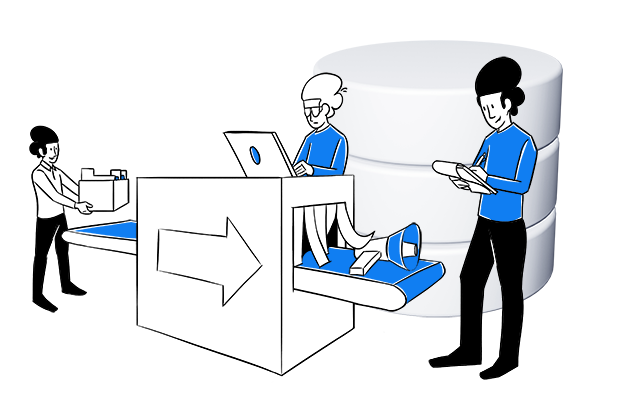
Audience segments enable advertisers and marketers (as well as publishers) to break massive volumes of data into digestible pieces of information about potential customers, site visitors, or app users.
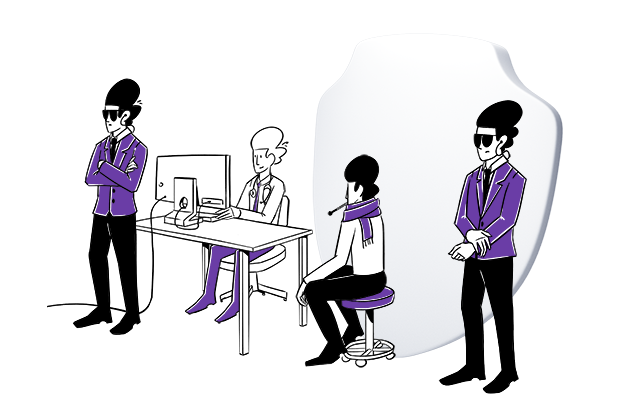
For example, with a customer data platform you can create customer profiles and segment data into audiences. Activate them in third-party tools to provide a personalized experience and run effective campaigns across channels. And by using privacy-first software, you can keep your clients’ data safe.
With good audience segmentation, you can:
- Define your most valued customers: It’s often the case that specific segments of your customer base contribute an outsize share of revenue.
- Discover new opportunities in the market: The process of defining your most valuable customers can surface opportunities you weren’t expecting.
- Create more specific and relevant messaging: By segmenting your audience, you can understand each segment’s needs and create messaging that directly addresses their problems.
You may also like: