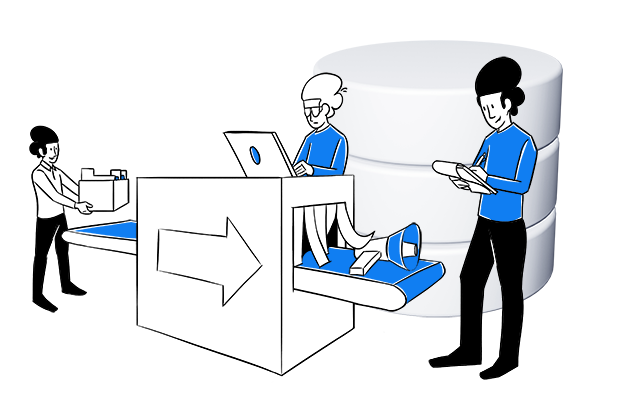
Transactional data is information captured when users buy your service or product.
Examples of transactional data include:
- Products/subscriptions purchased, the customer who made the purchase, the date and time of the purchase, how much the customer spent in total, applied discounts or promotions, where the transaction occurred, the payment method used, etc.
- Customer service communication between the business and customers, types of issues, how the problems were resolved, customer satisfaction and retention metrics, etc.
- Shipping status, suppliers, logistics partner data, etc.
- Products returned by customers, reasons for the returns, the amount of refunded money, etc.
Your business can benefit from transactional data by:
- Identifying trends and patterns in customer behavior.
- Tracking sales across different channels or regions.
- Understanding how specific products or services are performing over time.
- Improving customer service.
- Making informed decisions about business processes and operations.
- Enhancing customer experience by delivering more consistent services.
- Discovering new opportunities for growth and profitability.
- Tracking your business’ financial performance.
You can combine transactional data with other types of information – such as behavioral data – to provide context to everyday transactions and help organizations better understand what their customers are doing online. Insights provided by transactional data can become actionable – for example, by connecting it to a customer data platform.