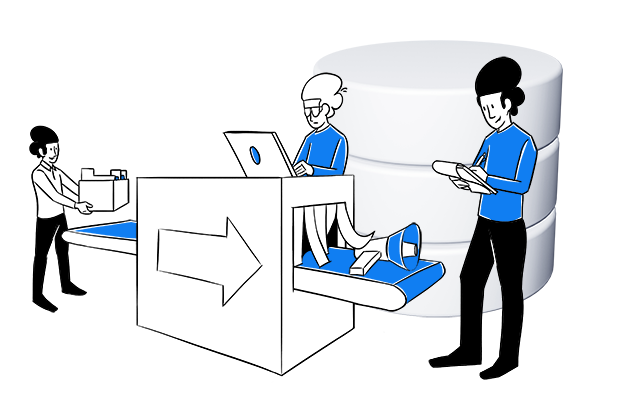
Organic traffic refers to visitors who land on your website from organic search results. You can increase the number of visits from search engines by improving your content’s ranking in relevant search results with SEO. You should aim to bring in visitors with specific intent and use for your content.
Organic traffic is a low-cost, scalable way to reach customers online. For quicker results but at a higher price, you can turn to paid traffic, which includes visits from clicks on PPC ads on the Search engine results page (SERP) .
Growth in the organic channel may take time and won’t always be easy, especially if you try to rank for competitive Keywords . On the other hand, you can drive new people to your site who haven’t heard about your brand before. You can put your content in front of huge numbers of people worldwide, build your brand’s credibility, and compete with related websites.