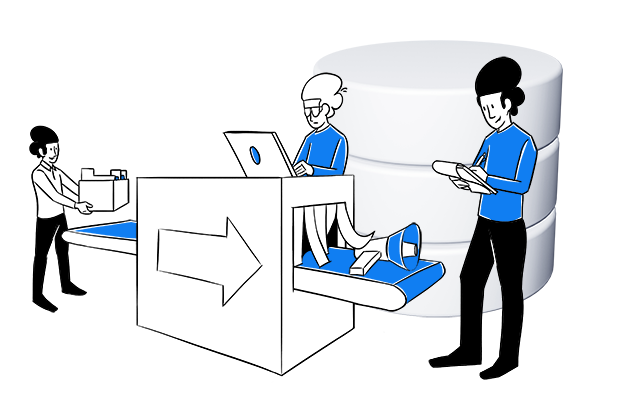
Real-time data refers to information captured, processed, and made available for viewing almost immediately after collection. This data type is constantly updated and provides users with the most current information available at any given time. Real-time data is crucial in various situations, such as analyzing live trends and making informed, time-sensitive decisions. You can collect and process real-time data with an analytics platform.
Real-time data offers several benefits, including:
- Immediate insights: Real-time data provides up-to-the-minute information, allowing for quick decision-making based on current conditions.
- Enhanced situational awareness: By monitoring real-time data, organizations can stay informed about changing trends, issues, or opportunities as they happen.
- Improved efficiency: Access to real-time data can streamline processes, prevent delays, and reduce bottlenecks by enabling faster responses to changing circumstances.
- Competitive advantage: Leveraging real-time data can give organizations a competitive edge by enabling them to act swiftly in response to market changes or emerging trends.
Read more:
Digital marketing analytics: The beginner’s guide to data-driven marketing success