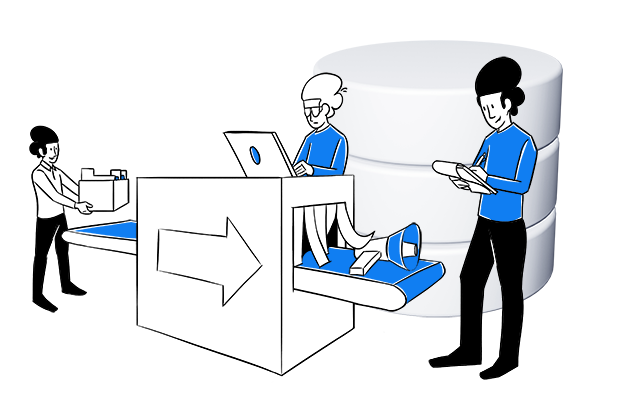
Enterprise analytics consists of collecting, processing, analyzing, and visualizing analytics data to help organizations transform it into insights and make informed business decisions. The process involves applying multiple data analysis techniques and tools to understand complex datasets and uncover patterns.
Any large business that manages massive datasets can use enterprise analytics. The influx of available data and the need for increased agility have made it an essential component of modern business operations. With enterprise analytics, companies can stimulate business growth, improve efficiency, enhance decision-making, and drive better financial results.
Organizations using enterprise analytics are better equipped to navigate challenges, take advantage of emerging opportunities, and make decisions related to business growth, employee satisfaction, and customer experience. Enterprise analytics lets companies better understand their processes. By analyzing historical and real-time data, they can uncover trends, patterns, and correlations and use them to make more accurate choices.
Organizations can use enterprise analytics platforms that contain all the necessary components to collect, visualize, and apply their data insights.
Enterprise analytics
-

What is PII, non-PII, and personal data? [UPDATED]
Personally identifiable information (PII) and personal data are two classifications of data that often confuse organizations that collect, store and analyze such data. Both terms cover common ground, classifying information that could reveal an individual’s identity directly or indirectly. PII is used in the US, but no specific legal document defines it. The legal system…
-

What is first-party data and how does it benefit your marketing strategy [Updated]
First-party data is information a company collects directly from its customers through owned channels like websites, apps, transactions, and customer interactions. Unlike third-party data purchased from external sources, first-party data comes straight from your audience, making it more accurate, privacy-compliant, and valuable for personalized marketing. According to Acquia’s 2024 CX Trends Report, 93% of marketers…
Other definitions
Recent posts from Piwik PRO blog
- What is PII, non-PII, and personal data? [UPDATED]
- What is first-party data and how does it benefit your marketing strategy [Updated]
- Digital marketing analytics: The beginner’s guide to data-driven marketing success [Updated]
- We’re introducing Piwik PRO MCP Beta – get answers from your data without building a single report
- Google is changing how GA4 and Google Ads share data: Here’s how it puts your compliance at risk
- HIPAA-compliant analytics for healthcare systems: How hospital marketing teams can measure what matters
- Privacy by design in practice: How “just enough” data beats “just in case” collection
- 4 ways to make your analytics HIPAA-compliant: Implementation guide