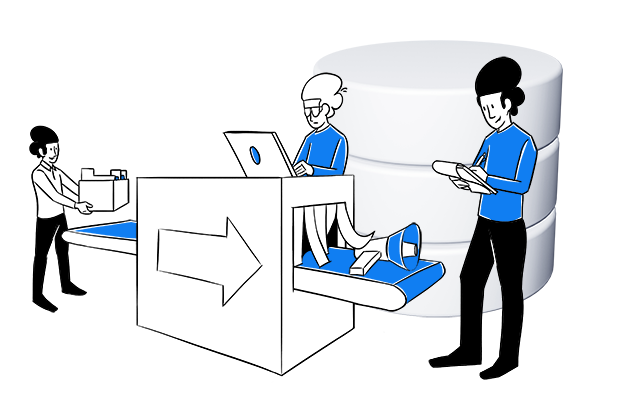
Event-based analytics is a method of tracking and analyzing interactions (events) between users and your website or app. Events and users are the core elements of event-based analytics.
Any activity that users perform on a page of your website is an ‘event’ or ‘event hit’. For example:
- Button click
- Page view
- Click on a link
- Form submission
- Video play and watch time
- File download
Users represent prospects or customers who engage with your business online. As users interact with your website or app, their behaviors, demographics, and other attributes are recorded along with user properties, including location, device, language, or email address.
This combination of users and events gives you valuable information about how your website or app is being used and why.
An event-based web analytics platform uses a measurement model based on events and parameters. In contrast, session-based analytics platforms like Google Analytics 3 use measurement based on sessions and pageviews.
Event analytics is covering real-time analytics along with the processing of historical event data. This kind of event processing (to process data in real-time and extract consumer data) can be also used to predict customer behavior and recommend products and services to clients to motivate real-time decisions.
Currently, there are several analytics products to help with tracking the actions your users are taking on your website or app (Google Analytics 4, Mixpanel, Segment, Snowplow Analytics, and Amplitude, to name a few).