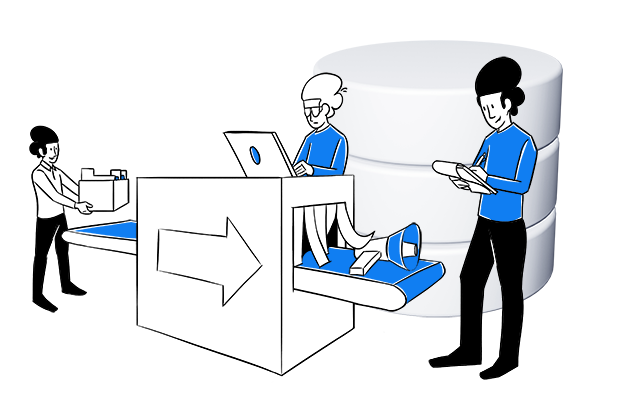
The basis of data democratization lies in making data accessible to all employees within an organization, regardless of their technical expertise. It aims to empower non-technical users by providing intuitive tools and resources that help gather, analyze, and interpret data with ease. By breaking down silos and fostering collaboration, organizations can enhance the quality of decision-making processes. Effective data democratization leads to improved business outcomes as employees across various departments can leverage insights derived from data analytics.
For more insights on data in digital analytics, check our series:
- 25 years of digital analytics with Brian Clifton: From examining log files to privacy-focused analytics
- 25 years of digital analytics with Brian Clifton: Considered an obstacle at first, privacy is now top of everyone’s mind
- 25 years of digital analytics with Brian Clifton: Being data-informed, not just data-driven