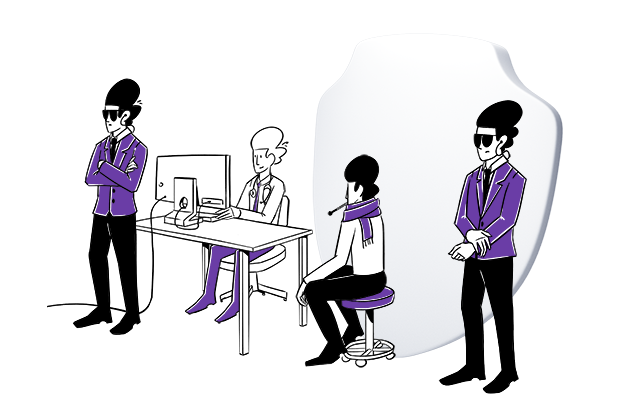
Data redaction is the process of permanently removing or obscuring sensitive information from documents or datasets to prevent data from being linked to specific people or used for malicious purposes. Once data is redacted, it cannot be restored to its original form.
This technique is essential in contexts where data like personally identifiable information (PII) must be irretrievably concealed, particularly in legal documents or public records.
Techniques for redaction include:
- Full redaction – removing all content.
- Partial redaction – obscuring certain parts.
- Pattern-based identification – using patterns to identify and redact specific data types, such as Social Security numbers.
Data redaction serves as a critical safeguard against unauthorized access to sensitive information, particularly in industries that handle confidential data. It ensures that such information does not lead to violations of regulations like GDPR or privacy breaches during document sharing or public disclosure.
Data redaction differs from data masking, which involves replacing sensitive data with fictitious or altered data while preserving the original format. This allows the masked data to be reversible, meaning it can be restored to its original state when necessary.