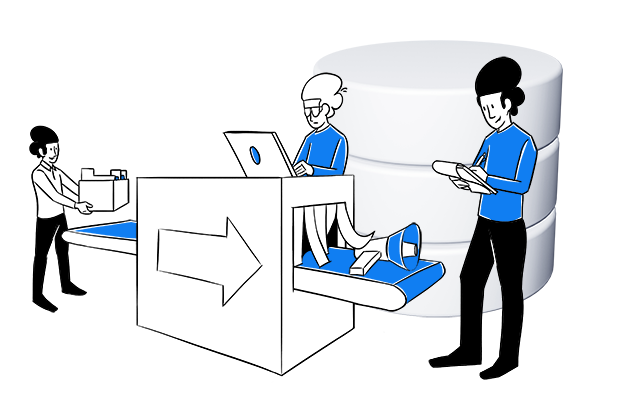
Customer relationship management (CRM) platforms are used by businesses to manage interactions and relationships with current and potential customers. The primary goal of CRM is to improve business relationships, streamline processes, and increase profitability.
Key components of CRM typically include:
- Customer data management: CRM systems collect, store, and organize customer data from various sources such as interactions, transactions, social media, and other touchpoints
- Sales automation: CRM software often includes features for managing sales processes, such as lead tracking, opportunity management, and sales forecasting.
- Marketing automation: CRM systems can help automate marketing activities, including email marketing, campaign management, and customer segmentation.
- Customer service and support: CRM platforms may offer tools for managing customer service interactions, such as ticketing systems, knowledge bases, and customer support analytics.
- Analytics and reporting: CRM software provides insights into customer behavior, sales performance, and marketing effectiveness through analytics and reporting features.
- Integration capabilities: Many CRM systems integrate with other business applications such as email, accounting, and e-commerce platforms to provide a comprehensive view of customer interactions across various channels.
By implementing CRM, businesses can better understand their customers, anticipate their needs, personalize interactions, and ultimately improve customer satisfaction and loyalty. Additionally, CRM enables organizations to optimize their sales and marketing efforts, leading to increased efficiency and revenue growth.
You might also like: