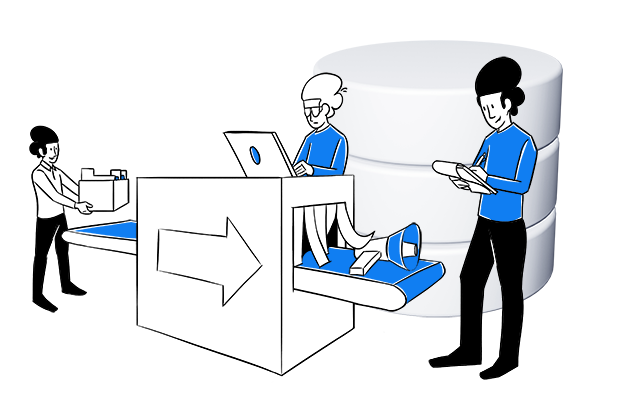
It’s a piece of software that helps organizations automate a part of collecting, processing and storing visitors’ consents and data subject requests. All that allows businesses to comply with various privacy laws such as the General Data Protection Regulation GDPR ), California Consumer Privacy Act (CCPA) or General Data Protection Law (LGPD), to name a few.
Consent managers enable site owners to inform visitors about the types of data they want to collect and ask them for permission. They also save all the consent decisions and allow the Data processor to view and manage Data subject requests in one place.
There are different types of consent managers:
- A standalone consent manager
- An integrated platform
Piwik PRO has an integrated consent management platform as one of the modules in the Analytics Suite. It collects Consent s of data subjects for processing Personal data . The consent manager works closely with the Piwik PRO Tag Manager and manages which categories of tags should be fired regarding the status of users’ consent.
Read more about consent managers:
- Comparison of 9 leading consent management platforms
- Piwik PRO Consent Manager
- The CJEU sheds more light on trackers and consent requirements
Also, read more about privacy regulations worldwide and learn what actions you need to take to stay compliant with them: